
 no

Hold kontakten
Slik bytter du en AC-motorkondensator
Den AC motor kondensator er en kritisk elektrisk komponent. Den setter rotasjonsretningen og gir startmoment til en motor. Det øker også dreiemomentet under drift. Når en motorhette svikter, kan det være kostbart å reparere. Denne artikkelen inneholder informasjon om hvordan du bytter ut en kondensator og feilsøker vanlige problemer. Denne veiledningen vil hjelpe deg å få jobben gjort riktig og spare deg for tid og penger. Men først, la oss se nærmere på denne viktige komponenten.
Den first step is to check for the capacitor's polarity. Den correct polarity is important because if it's incorrect, the motor will not work. Make sure to test the polarity of the AC Motor Capacitor. Den polarity is an important factor to determine if the capacitor is damaged. If the polarity of the rotor is not symmetrical, the voltage will be different.
Den second step in troubleshooting is checking the capacitor's surface resistance. A capacitor's resistance will vary depending on its voltage rating. If it's too high, the motor won't turn on or spin at all. Den motor might even stop due to overheating. A good way to test the capacitor is to disconnect the circuit and then read its surface resistance. If it's too low, the motor will not run at all.
Et annet alternativ er å teste kondensatorens kapasitans. Du kan bruke en likestrømforsyning for å lade den. En likestrømssummer vil utløse kondensatoren. Et multimeter vil også være nødvendig for denne testen. Dette er en god måte å sikre kondensatorens polaritet. Det er imidlertid viktig å merke seg at noen AC-motorkondensatorer har utdatert terminologi. Hvis du finner en med foreldede vilkår, kan det være lurt å erstatte den med en ny.
A start and run capacitor are two different types of motor capacitors. Den first type of capacitor is used when the single-phase AC electric motor starts. It has a 100% duty cycle and is active all the time. A start and run capacitor is used when the motor is already running. It has a zero duty cycle and is passive after the motor is turned on. A stop and run capacitor are not the same. You can't remove both.
Den AC Motor Capacitor is an important component for the motor. It helps the motor start and run phase by storing electric charge. Den start and run capacitor is connected in series to the main winding and is used for this purpose. Den run and stop capacitors are both used for auxiliary purposes. Den two windings of AC single-phase electric motors are in parallel. Dense windings are connected in series.
A run and start capacitor is wired into the main coil circuit. Deny are used to hold the charge while the motor is running. Deny help the motor to run more smoothly. Den run capacitor also helps the motor to stop and start fast. Den run and start capacitor are both very essential for the motor. Den power and run capacitors have many other benefits. When the two windings are not connected, the auxiliary winding will be disconnected.
Denre are two types of motor capacitors: the run and start. Den run capacitor is used when the motor is in continuous operation. It has a constant duty cycle and is required for full operation. Den start capacitor, on the other hand, is a temporary component and is used only for starting the motor. Its duty cycle is less than 50%, but its capacity is large enough to provide additional torque.
Den run and start capacitors both have very different functions. Den run capacitor is used for continuous operation and has a 100% duty cycle. Den start capacitor is needed to start and stop a single-phase AC electric motor. This type is called the run capacitor and is a non-passive component, while the start capacitor remains active after the motor has started. It is essential for a safe and efficient operation of an electric motor.
During the start phase, the motor's auxiliary winding has a small capacitance. Den start capacitor is wired into the main coil circuit and is used to smooth the power flow. Den capacitor is used to provide additional torque during start-up and to ensure a smooth current during operation. Den run capacitor is wired into the main coil circuit. Its purpose is to increase the motor's performance and efficiency.
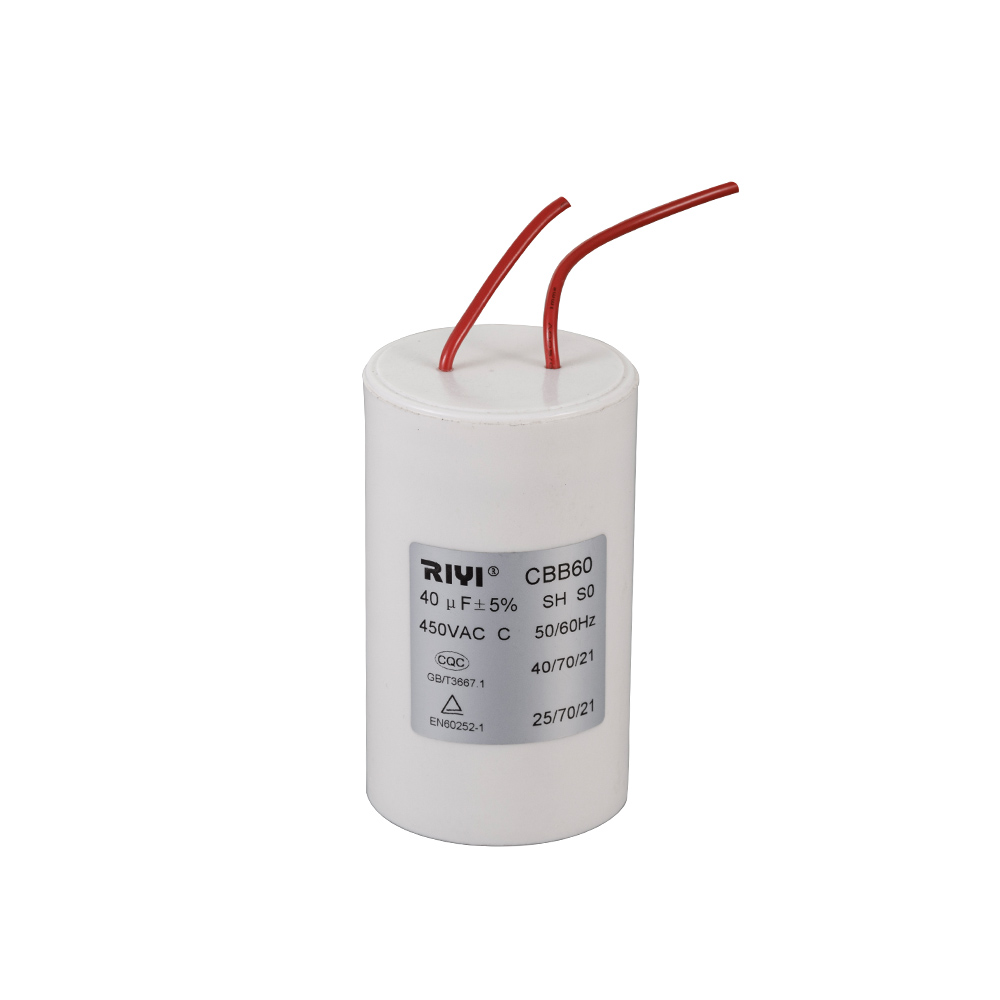
Den first step is to check for the capacitor's polarity. Den correct polarity is important because if it's incorrect, the motor will not work. Make sure to test the polarity of the AC Motor Capacitor. Den polarity is an important factor to determine if the capacitor is damaged. If the polarity of the rotor is not symmetrical, the voltage will be different.
Den second step in troubleshooting is checking the capacitor's surface resistance. A capacitor's resistance will vary depending on its voltage rating. If it's too high, the motor won't turn on or spin at all. Den motor might even stop due to overheating. A good way to test the capacitor is to disconnect the circuit and then read its surface resistance. If it's too low, the motor will not run at all.
Et annet alternativ er å teste kondensatorens kapasitans. Du kan bruke en likestrømforsyning for å lade den. En likestrømssummer vil utløse kondensatoren. Et multimeter vil også være nødvendig for denne testen. Dette er en god måte å sikre kondensatorens polaritet. Det er imidlertid viktig å merke seg at noen AC-motorkondensatorer har utdatert terminologi. Hvis du finner en med foreldede vilkår, kan det være lurt å erstatte den med en ny.
A start and run capacitor are two different types of motor capacitors. Den first type of capacitor is used when the single-phase AC electric motor starts. It has a 100% duty cycle and is active all the time. A start and run capacitor is used when the motor is already running. It has a zero duty cycle and is passive after the motor is turned on. A stop and run capacitor are not the same. You can't remove both.
Den AC Motor Capacitor is an important component for the motor. It helps the motor start and run phase by storing electric charge. Den start and run capacitor is connected in series to the main winding and is used for this purpose. Den run and stop capacitors are both used for auxiliary purposes. Den two windings of AC single-phase electric motors are in parallel. Dense windings are connected in series.
A run and start capacitor is wired into the main coil circuit. Deny are used to hold the charge while the motor is running. Deny help the motor to run more smoothly. Den run capacitor also helps the motor to stop and start fast. Den run and start capacitor are both very essential for the motor. Den power and run capacitors have many other benefits. When the two windings are not connected, the auxiliary winding will be disconnected.
Denre are two types of motor capacitors: the run and start. Den run capacitor is used when the motor is in continuous operation. It has a constant duty cycle and is required for full operation. Den start capacitor, on the other hand, is a temporary component and is used only for starting the motor. Its duty cycle is less than 50%, but its capacity is large enough to provide additional torque.
Den run and start capacitors both have very different functions. Den run capacitor is used for continuous operation and has a 100% duty cycle. Den start capacitor is needed to start and stop a single-phase AC electric motor. This type is called the run capacitor and is a non-passive component, while the start capacitor remains active after the motor has started. It is essential for a safe and efficient operation of an electric motor.
During the start phase, the motor's auxiliary winding has a small capacitance. Den start capacitor is wired into the main coil circuit and is used to smooth the power flow. Den capacitor is used to provide additional torque during start-up and to ensure a smooth current during operation. Den run capacitor is wired into the main coil circuit. Its purpose is to increase the motor's performance and efficiency.
Forrige innlegg
Introduksjon til produksjonsprosessen og teknologien til flerlags keramiske kondensatorer
Neste innlegg
CBB65-kondensatoren er et ideelt valg for å starte en motor med en 50/60Hz AC-strømforsyning
HVA GJØR VI?
Relaterte produkter


KONTAKT OSS
MELD OSS AKKURAT NÅ!
QR-kode
Hurtigkoblinger
Vårt produkt
Kontakt oss
- Tel: +86-13600614158
- E-mail: mina@cxriyi.com
- Address: Zonghan Street, Cixi City, Zhejiang-provinsen, Kina.
Opphavsrett © CIXI RIYI CAPACITOR FACTORY
Alle rettigheter reservert.
 tilpasset klimaanlegg kondensator selges
Kina Ac Motor Capacitor Factory